
Reserve a table today with our easy online booking form.

A. 250 Huntington Ave., Boston, MA 02115
P. (617) 867-9999
Reserve a table today with our easy online booking form.

The Office of Foreign Assets Control (OFAC) plays a crucial role in regulating international trade and banking activities in the United States. The OFAC sanctions list is a critical tool for maintaining national security and preventing illicit activities. In this article, we will delve into the countries listed on the OFAC sanctions list, the reasons behind these sanctions, and their implications for global trade. To gain a more in-depth understanding of the OFAC sanctions list countries, you can refer to this OFAC sanctions list countries https://reyman.net/pages/ofac-sanctions-list-countries-full-guide.html.
Sanctions are often implemented in response to various geopolitical events, human rights violations, and activities that threaten the security of the United States and its allies. The OFAC sanctions list identifies individuals and entities from specific countries that are prohibited from engaging in trade or financial transactions with U.S. persons or entities. Each listed country has its own unique set of sanctions, which may be comprehensive or targeted.
OFAC implements several types of sanctions, including comprehensive sanctions, targeted sanctions, and secondary sanctions. Comprehensive sanctions prohibit all trade and financial transactions with a designated country, while targeted sanctions focus on specific individuals or entities. Secondary sanctions aim to restrict third-party countries from trading with sanctioned nations, thus amplifying the effects of U.S. sanctions globally.
As of October 2023, several countries find themselves on the OFAC sanctions list, including but not limited to:
The complexities of sanctions can vary significantly from one country to another, reflecting the unique geopolitical circumstances and responses required. It is essential for businesses operating internationally to understand the implications of these sanctions to avoid legal repercussions and ensure compliance with U.S. laws.
Compliance with OFAC regulations is not just a legal obligation; it is also vital for maintaining the reputation of businesses engaged in international trade. Companies must implement thorough due diligence procedures when conducting transactions that might involve sanctioned entities. This includes screening clients, suppliers, and business partners against the OFAC sanctions list before finalizing any deals.
Failing to comply with OFAC regulations can result in significant penalties, including hefty fines and restrictions on doing business in the U.S. financial system. It’s essential for corporations to establish effective compliance programs to monitor and manage risks associated with sanctions violations. Many businesses choose to work with legal and compliance experts to ensure that their practices align with OFAC requirements.
Sanctions can have far-reaching effects beyond the immediate economic impact on the targeted country. They can influence global markets, alter trade patterns, and foster diplomatic tensions. For instance, sanctions against Iran not only affect its economy but also impact global oil prices and relations between the U.S. and other countries that have business ties with Iran.
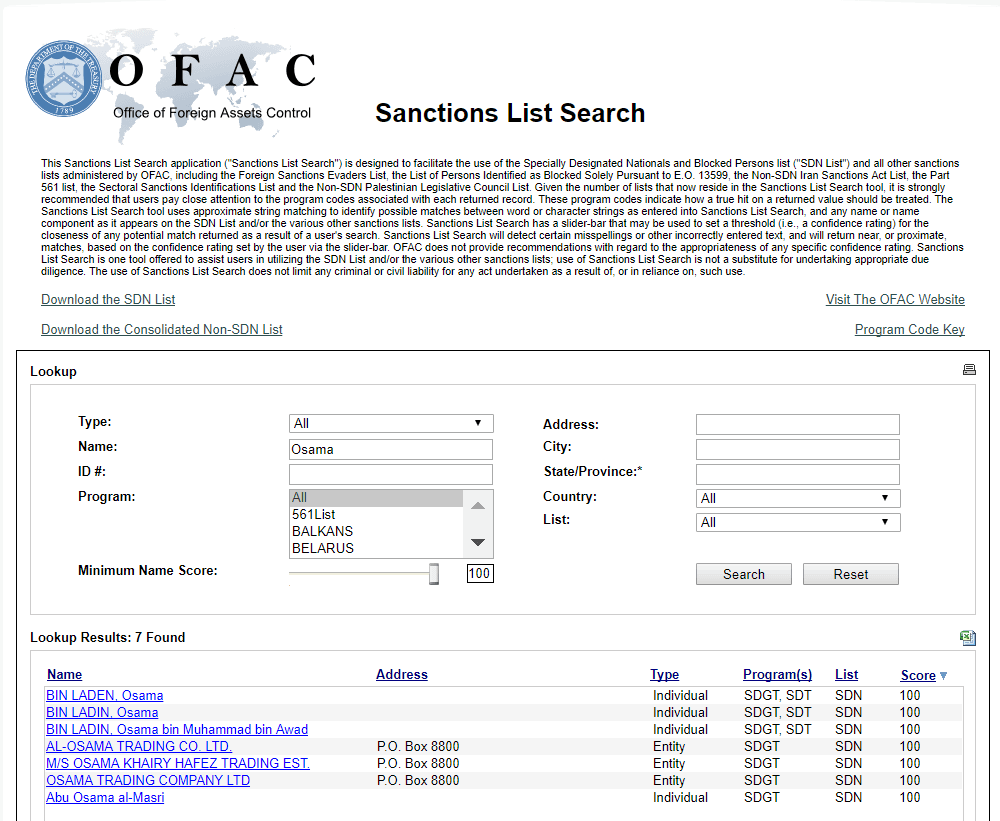
Moreover, sanctions can spur humanitarian concerns, particularly when they target countries with a significant vulnerable population. As a result, there is often a debate about the efficacy of sanctions as a tool for achieving political goals versus their potential to harm innocent civilians. Balancing these considerations is crucial in the ongoing discourse surrounding international sanctions policy.
As the geopolitical landscape continuously evolves, the OFAC sanctions list is likely to change accordingly. New countries might be added, and existing sanctions may be modified or lifted based on diplomatic negotiations or changes in a country’s behavior. It is essential for businesses and financial institutions to remain vigilant about these changes and prepare to adapt their compliance programs accordingly.
In conclusion, the OFAC sanctions list serves as a critical component of U.S. national security strategy. Understanding the implications of these sanctions is vital for businesses engaged in international trade and cooperation. As sanctions evolve, continuous monitoring and compliance will be necessary to navigate the increasingly complex landscape of global commerce.