
Reserve a table today with our easy online booking form.

A. 250 Huntington Ave., Boston, MA 02115
P. (617) 867-9999
Reserve a table today with our easy online booking form.
In an industry where every millisecond of friction translates into lost engagement, the authentication process is the new battleground. Mostbet, operating at the intersection of high-stakes entertainment and cutting-edge software, understands this better than most. The simple act of mostbet giriş is not merely a security checkpoint; it is the first, critical user experience in a world being rapidly consumed by software. The future of betting belongs to platforms that transform this necessary step from a barrier into a seamless, intelligent, and predictive gateway. We are moving beyond usernames and passwords into an era of contextual identity, where your access is as fluid and dynamic as the markets and games you engage with. This is not incremental improvement; it is architectural disruption, and the login screen is its front line.
For decades, the gambling industry treated login as a compliance afterthought-a static form to be completed. The visionary shift, which platforms like Mostbet are now engineering, is to view authentication as a live data stream. Every login attempt, successful or failed, is a data point. The integration of behavioral biometrics-typing cadence, mouse movement patterns, even the micro-timing of button clicks-creates an invisible security mesh. This means the system is constantly learning and verifying, not just at the point of entry. Mostbet’s infrastructure is evolving towards this model, where your identity is a continuous signal, not a single key. This is software eating the world of physical casino security desks and plastic player cards, replacing them with algorithms that work in real-time, across continents, with unwavering precision.
The password is a relic, a point of failure that tech visionaries have predicted will vanish. In betting, its demise can’t come soon enough. The future, already being prototyped in advanced tech ecosystems, involves multi-modal authentication that adapts to risk. A user logging in from their usual device in Baku might need only a fingerprint. The same user attempting access from a new network might trigger a seamless, behind-the-scenes check involving device reputation and location history before a one-time passcode is even suggested. Mostbet is positioned to lead this charge in the Azeri market, moving from a “what you know” model to a “who you are + what you have + where you are” composite identity. This isn’t just convenient; it’s a fundamental re-architecture of trust.
Even on the path to a frictionless future, users encounter friction today. These are not mere bugs; they are symptoms of the transition between old and new security paradigms. Solving them requires understanding the underlying tech stack. A forgotten password isn’t just a user error; it’s a failure of the system to offer a sufficiently robust and memorable recovery identity. A locked account is often an overzealous but crude manifestation of fraud prevention algorithms. By analyzing these common pain points, we see the blueprint for the next generation of authentication that Mostbet is building.
Let’s dissect the most frequent technical hiccups and their solutions, framed not as customer support tickets, but as engineering challenges being solved in real-time.
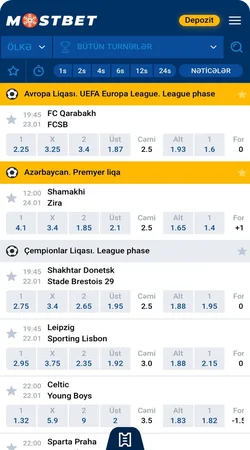
Forgetting credentials is a human constant, but the recovery process need not be a bureaucratic nightmare. Modern systems use cryptographic handshakes to verify identity without exposing secrets. When you initiate a password reset on Mostbet, you’re triggering a secure protocol. The platform sends a time-bound, cryptographically signed token to your pre-verified contact point-email or phone. Clicking that link proves control of that channel, creating a secure chain of custody for your identity. The common failure point? Users not updating their recovery email or phone number after changing it. The visionary solution is proactive: systems that periodically nudge users to verify their recovery channels, treating them as critical, living parts of your digital identity.
An account lock is not a punishment; it’s an automated defense mechanism firing. It happens when the system’s risk engine detects a pattern that statistically correlates with fraud-multiple rapid failed login attempts, logging in from geographically impossible locations, or using known compromised credentials. While frustrating, it’s a sign of a robust security posture. The resolution, however, needs to be as intelligent as the detection.
The endgame is invisible authentication. On supported devices, Mostbet’s mobile application leverages the biometric hardware-Touch ID or Face ID-turning your biological traits into your key. This is a direct example of specialized hardware (the secure enclave in your phone) working with software (the Mostbet app) to create a user experience that feels like magic but is grounded in intense cryptography. The next step is passive biometrics: the app recognizing you by how you hold your phone, your typical swipe patterns, granting access before you even think to tap a login button. This is the “zero-click” future of identity, and it’s closer than most think.
| Authentication Method | Current Tech Status at Mostbet | Visionary Next Phase | User Impact |
|---|---|---|---|
| Password | Primary method, with complexity rules. | Phased out, replaced by passkeys (FIDO2). | Eliminates memorization and phishing risk. |
| SMS/Email OTP | Standard for 2FA and recovery. | Replaced by app-based authenticators or push approvals. | Faster, more secure, network-independent. |
| Fingerprint/Face ID | Available on mobile apps. | Continuous, passive authentication in-app. | Truly seamless, session never logs out. |
| Behavioral Biometrics | Likely in early fraud detection. | Primary invisible layer for risk assessment. | No user action required; enhanced security. |
| Device Fingerprinting | Used for security and session management. | AI-driven device reputation scoring. | Low-risk devices gain instant access. |
| Social/OpenID Login | Potential future integration. | Decentralized Identity (e.g., blockchain-based). | User-controlled portable identity across platforms. |
The modern user exists across a device ecosystem: phone, tablet, desktop. The old model forced a login on each, a jarring experience. The new model, which forward-thinking platforms are adopting, is the synchronized session. Log into Mostbet on your phone, and your desktop browser, recognizing your account via a secure, encrypted handshake, could present a “Continue Session?” prompt. This relies on local network discovery protocols and end-to-end encrypted communication between your own devices. It turns your personal device cloud into a unified security context, making the concept of “logging in” on a trusted home device feel archaic.
In regions like Azerbaijan, with specific regulatory frameworks, login is not just about user convenience-it’s a compliance data gate. Age verification, location pinning, and self-exclusion list checks must happen at or before authentication. The tech trend here is integration. Instead of clunky, separate checks, these regulatory requirements are becoming API calls baked into the login flow itself. The software checks your jurisdiction, cross-references regulatory databases, and grants a tailored experience-all in milliseconds. This is RegTech eating the world of manual compliance, and it makes platforms like Mostbet not just entertaining, but sustainably and scalably lawful.
The final, bold prediction is this: the login will disappear as a distinct step and morph into a personalized gateway. Imagine launching the Mostbet app. It scans your face, recognizes you, and based on the time of day, your past behavior, and live event data, it doesn’t just show a generic lobby. It opens directly to a custom view: “Welcome back. Your favorite tennis player’s match starts in 15 minutes. Your pre-match bet slip is ready. Here is the live stream.” The authentication was instantaneous and invisible, and the value delivered was immediate and hyper-personalized. This is the culmination of the trend-software so deeply integrated into the experience that the boundary between “accessing” and “using” dissolves completely. Mostbet is on a trajectory where its gateway doesn’t just let you in; it already knows why you’re there.
This evolution from a static form to a dynamic, intelligent, and ultimately invisible process is the silent revolution in betting tech. The platforms that master this, treating authentication not as a cost center but as the first and most important interaction, will define the next decade. They will be the ones where the software doesn’t just run the games-it understands the player from the very first moment, building trust and delivering value in the single action that was once a mere formality. The race is on, and the login screen is the starting line.