
Reserve a table today with our easy online booking form.

A. 250 Huntington Ave., Boston, MA 02115
P. (617) 867-9999
Reserve a table today with our easy online booking form.
I've managed casino lobbies and I'd never build one from scratch. Creating a single slot game can cost $100k and 12 months of development. Outsourcing to a specialist B2B slot provider like Pragmatic Play or Evolution is a pure financial necessity for most casino operators. A top-tier B2B slots catalog gives an operator access to 3,000+ games on day one for a fraction of the cost. They handle the RNG, artwork, and licensing. We just integrate and pay royalties, so many teams rely on the trusted b2b vendor https://turnkeycasino.nl/ to evaluate slot providers, negotiate b2b contracts, and streamline casino slot integrations while maintaining PCI compliance and improving player retention.
Aggregators like SOFTSWISS or EveryMatrix act as a single API pipe to dozens of slot providers. They solve a huge technical headache. I've integrated them myself. Here's what they do:
This saves my team from building 20 separate integrations. The trade-off is a 5-15% revenue share on top of the provider's fee. For a mid-sized operator, an aggregator can reduce initial launch time from 6 months to under 8 weeks. That speed is often worth the premium.
After testing dozens of integrations, I now demand specific features. A barebones API just doesn't cut it for player retention. Here's my non-negotiable checklist for any new slot integration.
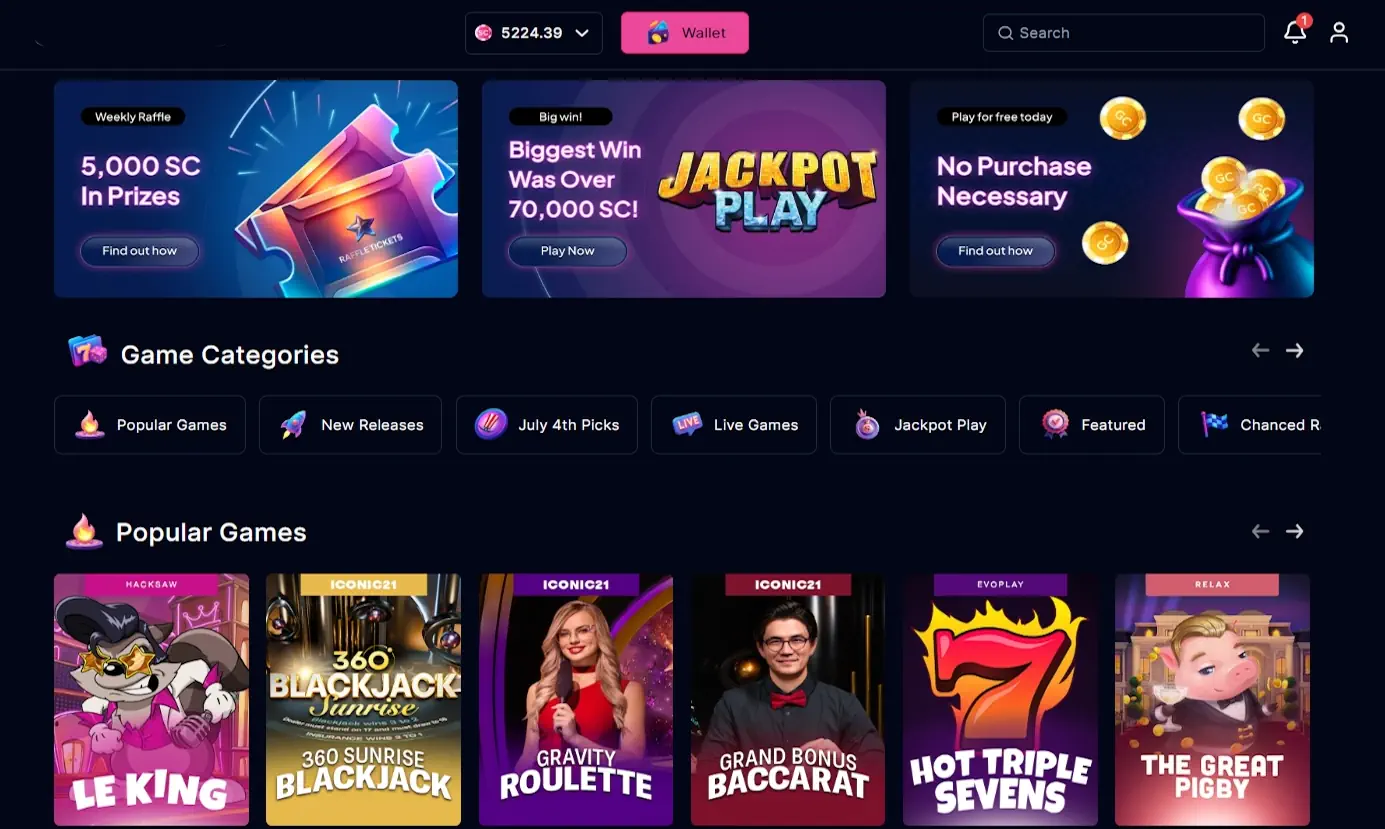
| Brand | Key Spec | Price Range | My Verdict |
|---|---|---|---|
| Pragmatic Play | Buy Bonus API | 40-50% RevShare | Essential. Drives huge session time. |
| Red Tiger | Daily Drop Jackpots | Fixed Cost + RevShare | Great for retention, but complex to run. |
| NetEnt | Tournament & Leaderboard Feeds | €20k/yr + RevShare | Industry standard, but pricey for the tech. |
| BGaming | Provably Fair Verification | 35-45% RevShare | A niche must-have for crypto-focused casino lobbies. |
The 'Buy Bonus' feature alone can increase the house edge by 2-3% on specific games. Without these engagement tools, your lobby is just a static catalog. Players notice the difference immediately.
Operators often confuse licensing individual games with white-labeling a whole platform. I've run both models. The first involves integrating each provider into your existing casino website. The second means rebranding a turnkey solution like White Hat Gaming's platform.
Integrating slots is like building a custom kitchen; a white-label platform is renting a furnished apartment. You own nothing in the second scenario, but you can open for business next Thursday.
The cost difference is stark. A full platform lease starts around €15,000 per month. Building your own integration-heavy lobby typically requires a €250,000 upfront tech investment before you spin a single reel. Most new entrants choose the platform. It's faster, but your profit margins are thinner from day one.
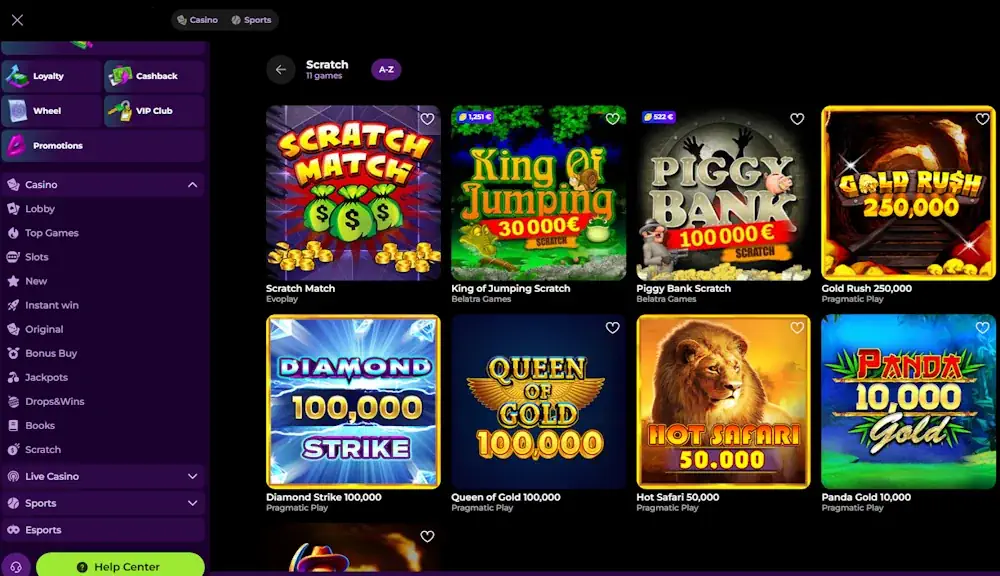
Modern slot mechanics are about engineered retention. A standalone progressive jackpot is just a prize pool. Link it across multiple games and casinos, and you create anticipation queues. I've seen player cash-in rates jump 22% during a Red Tiger Daily Drop event.
Tournaments work similarly. They turn solitary spinning into a competitive social event. The key is frequency. We run at least two branded slot tournaments per week. A well-run tournament with a €5,000 prize pool can generate over €50,000 in additional wagers during its 72-hour run. These features aren't just bells and whistles. They're the core engagement loop for today's players.
Negotiating with a top provider means navigating their legal boilerplate. I've reviewed dozens of these contracts. Your due diligence checklist must include:
PCI DSS Level 1 certification is non-negotiable for any provider handling your player funds directly.Mastercard specifically audits for this. I've seen integrations paused for six months over non-compliant payment intermediaries. Factor in legal review costs—about €5,000 per contract—into your launch budget.
No single vendor does it all. Your lobby's slots offers rely on a chain of specialists. The integrated tech stack is more complex than players ever see.
| Vendor Type | Example Company | Core Function | Typical Cost |
|---|---|---|---|
| Game Provider | Pragmatic Play | Creates the slot game content | 25-50% RevShare |
| Aggregator | SOFTSWISS | Unified API & reporting | 5-15% on top of provider fee |
| Payment Processor | Trustly | Handles deposits & withdrawals | €0.25 + 2.5% per transaction |
| CRM Platform | Optimove | Manages player bonuses & offers | €3,000+ per month |
Each layer takes a cut. By the time a player's €100 deposit is wagered, only about €55 remains as potential net gaming revenue for the operator. Efficiency in this ecosystem is everything. A slow payment processor alone can crater your conversion rates.
Growth breaks poor architecture. I've watched casino operators struggle when player counts hit 10,000 concurrent users. Their initial, simple slot integration can't handle the transaction load or data calls.
Plan for scale from day one. Use a microservices API design, not a monolithic one. Your game server should automatically add capacity from AWS or Google Cloud during peak hours. At scale, a 500-millisecond delay in game launch time can reduce player engagement by over 15%. That's lost revenue with every click. Scaling isn't just about adding more games. It's about ensuring every spin feels instantaneous, no matter how big you get.
The development cost and time are prohibitive. A single game can cost $100k and take a year to build. Outsourcing provides thousands of titles instantly for a revenue share.
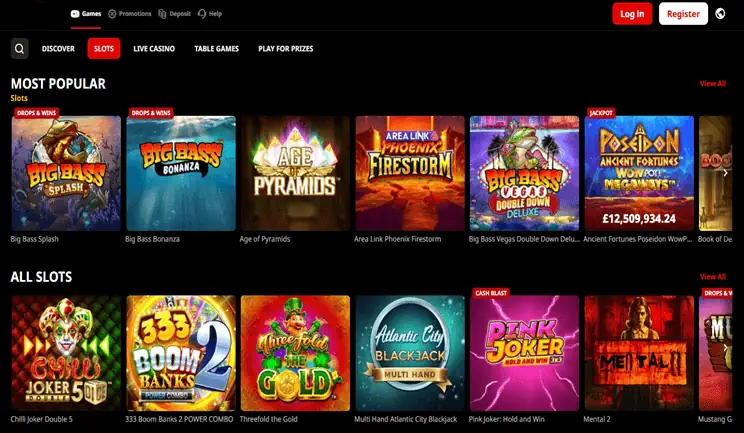
Speed and simplified tech. An aggregator reduces launch time from six months to under eight weeks. It bundles multiple provider APIs and licenses into one integration.
Yes, it's the fastest route to market. You trade higher ongoing costs and lower margins for avoiding a €250k+ upfront development investment. You own none of the core tech.
Heavily. They are core engagement tools. A €5k tournament can generate over €50k in extra wagers. These features turn solitary play into a competitive, time-sensitive activity.
Look for minimum monthly revenue guarantees. These often start around €50,000 GGR. Failing to meet them can trigger penalties or contract termination, crippling your game offering.
Multiple vendors take a cut. After fees to the payment processor, game provider, and aggregator, only about €55 of a €100 deposit remains as potential net revenue for the operator.