
Reserve a table today with our easy online booking form.

A. 250 Huntington Ave., Boston, MA 02115
P. (617) 867-9999
Reserve a table today with our easy online booking form.
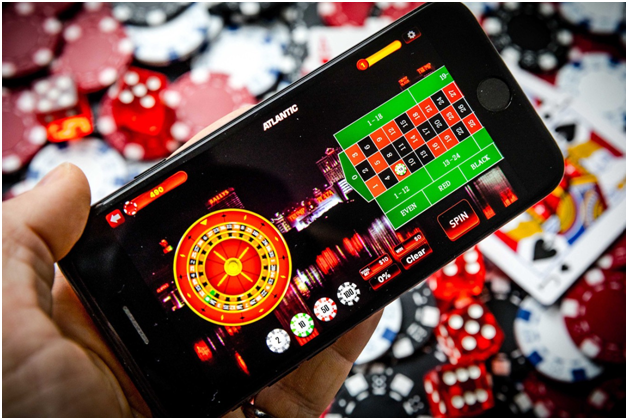
After a Canadian funeral service concludes, people assemble firejoker-casino.com. They convene in community halls, in family homes, in places that carried meaning. They share memories, provide quiet comfort, and look for a way to start saying goodbye. For a guest, the etiquette of these somber hours can seem heavy. There are lulls in conversation, long silences brimming only with reflection. In these pockets of downtime, minds wander. Fingers might stretch for a smartphone, searching for a brief escape from the weight in the room. A simple game can feel like a lifeline, a few seconds of neutral thought. Managing this balance—staying respectfully present while dealing with your own grief—is a modern reality. This piece examines that reality. It explores how digital distractions, including games like the Fire Joker slot, sometimes enter the picture at memorials. It also asks how we might manage their use with care during Canada’s most solemn gatherings.
Balancing what you need emotionally with what’s demanded socially is sensitive work. Requiring a pause is human. How you take that pause demands meticulous thought. If you feel overcome at a gathering in Ottawa or Winnipeg, the most appropriate response is to remove yourself graciously. Move away to get a glass of water. Head outside for a minute of fresh air. Visit the restroom. This literal departure permits for a personal moment to collect yourself. It causes no offence. This approach acknowledges both your necessities and the event’s protocol. It accepts that grief is hard, while also acknowledging that the area is for shared mourning. Depending on a hidden smartphone game, notably one like Fire Joker Slot, is a weak replacement. It exchanges an real, respectful means of self-regulation for a secretive and dangerous one.
Play’n GO developed the Fire Joker Slot. It’s an online slot game that embraces a classic, retro style. The layout is basic: 3 reels, 3 rows, and only 5 paylines. It lacks the complex bonus rounds or long storylines of newer slots. A fiery Joker symbol functions as the wild and can multiply wins. The game’s appeal is its speed and simplicity. A spin takes seconds, giving instant, definite results. For someone wanting a mental interlude, this lack of complication is the main point. There’s no narrative to track, just the turning reels. This simplicity might be what appeals to a person looking for distraction. It asks very little of a mind already burdened with sadness. But the game’s core theme—gambling—creates an immediate ethical problem in a setting built on loss.
Funeral customs throughout Canada reflect its multicultural composition, but common elements of etiquette run through them. The general expectation is one of quiet deference, attentive focus, and offering direct sympathies to the family. In most areas, from the pragmatic Maritimes to the relaxed West Coast, using a phone for obvious entertainment is frowned upon. Using a device for a practical purpose is more tolerated. This could mean sharing a photo, showing an obituary, or helping coordinate rides. The unspoken guideline centers on contribution versus consumption. Are you using your device to add to the shared event of remembrance? Or are you consuming content for personal retreat? This nuance matters. Playing a slot game, no matter how simple it looks, falls squarely into the consumption group. It would likely be seen as a disruption in the social contract that holds the assembly together.
Deciding to try a game like Fire Joker Slot at a funeral reception carries real social risks. The consequences go beyond individual guilt. If someone sees you, even another guest you don’t know well, it can hurt your reputation. You might be called callous, disrespectful, or immature. In many Canadian towns and social circles, where reputations linger, such a perception can remain. For the grieving family, learning about it would add to their pain. They might believe their loved one’s memory was treated as a background event. Explaining that it was “just the demo mode” or “only for a second” doesn’t help. The symbolic action speaks much louder than the technical details. The potential for hurt and lasting judgment far outweighs the few seconds of distraction the game provides.
We bring our phones anywhere, even into our toughest days. At a funeral reception in Halifax, a suburb of Toronto, or a farmhouse in Saskatchewan, you’ll see people glance at their screens. This isn’t always rudeness. Often, it’s a way to manage. The emotional force of a funeral can weigh down you. A two-minute digital escape, something undemanding, can give you just enough room to compose yourself and steady yourself before you rejoin the shared sorrow. Games offer something distinct: clear rules and defined goals. They form a small, orderly world, which is the opposite of the chaotic pain of loss. Most people understand this behavior, as long as it’s subtle and doesn’t disturb the sanctity of the moment. The difference comes down to why you do it and how. Using a device to discreetly manage your emotional state is not the same as withdrawing from the room entirely.
To support a funeral reception and handle your own well-being, focus on actions that assist the community of mourners. The following practices respect the deceased and the living who mourn them.
If you sincerely require a short mental respite during a long or tiring reception, other options suit the setting better. Look for an activity that is quiet, introspective, and clear from festive or risky connotations. Some choices might even assist the grieving process instead of just giving an escape. You could use your phone’s notes app and record a specific memory of the person who left. You could go through a short poem. With headphones, you could play one piece of music that reminds you of them. Simple puzzle games, like Sudoku or a word search, occupy the mind in a neutral way. These activities act as a gentle pause. They help you re-center yourself so you can come back to offering support, without creating the discordant themes of gambling and chance.
Playing a slot game at a funeral reception creates a deep ethical clash. A funeral is a ritual of respect. It’s a collective act to honor a life. Bringing an activity tied to chance, to monetary risk (even in free-play mode), and to casino entertainment directly opposes the event’s purpose. It can undermine the moment. If a grieving family member were to notice, it could cause real offense. The stigma around gambling adds another layer; the action might be read as indifference. Even in demo mode, the underlying psychology of betting and winning feels starkly out of place among shared grief. The act is never truly private; it exists in a social context. Remaining fully present, however painful that is, remains a fundamental sign of respect. Picking any app not associated with gambling would be a more appropriate and sensitive choice for a mental pause.
Being at a funeral reception in Canada requires your full presence. It is a hard, unavoidable social responsibility. Our modern world presents numerous digital escapes, and the Fire Joker slot is just one of them. But in this setting, such games are more than inappropriate. They can be actively hurtful. The game’s simple design does not mean its repercussions are minor. The more suitable, more realistic approach is to accept the unease of grief alongside everyone else. The short mental respite of a spinning slot reel is a shallow exchange. What it gives can’t compare the genuine connection found in a shared stillness, a held hand, or a story that makes people laugh through tears. In these serious moments, our undivided concentration is the most significant gift we have. It pays tribute to the life that was lived, and it acknowledges the pain of those left behind.